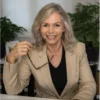

Sanjog earned degrees in Anthropology and Gender Studies before being introduced to the mental health field during her recovery from an eating disorder. Trained as a Kundalini Yoga Teacher and Eating Psychology Coach, she studied Gestalt Therapy, Art Therapy, Internal Family Systems (IFS) and Brainspotting. After meeting Gabor and Sat Dharam through Beyond Addiction (2012) she began practicing compassionate self-inquiry.
This post is a short edited excerpt of Sanjog’s personal journey of healing her eating disorder and in the process, discovering connection and purpose. Hear her full interview on The Gifts of Trauma Podcast.
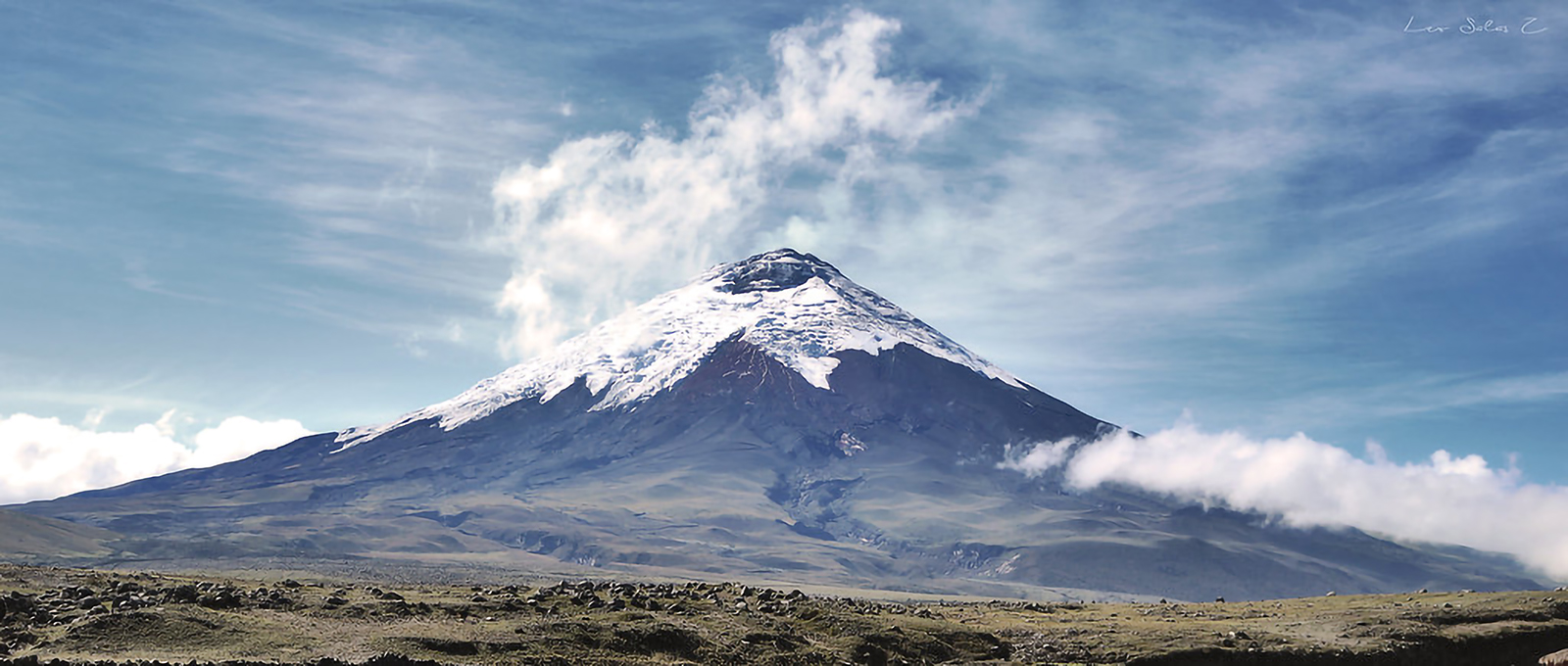
Photo credit – Leonardo Salas
I didn’t dream of being a therapist. What brought me here was my own longing to heal from an eating disorder I developed as a child. Through my search for tools and resources for my own healing process, I discovered I had some skills as a therapist.
Sanjog is my spiritual name. When I was trained as a Kundalini yoga teacher I could ask for a spiritual name which acts as a blessing, as it reminds me of who I am and my purpose on earth. The Gurugram Sahib is the spiritual scripture where they searched for my spiritual name, based on my date of birth. The name I was given, Sanjog, means connection, so hearing someone say my name reminds me that connection is available in every single moment of life. Interestingly, there is a common ‘connection’ thread in the Andes Mountains, where I was born. They run through 6 countries, from Argentina to Colombia and are the place to find connection, spiritual connection with the sun, moon and nature in general.
My eating disorder developed when I became a teenager, starting to go out with boys, enjoying parties and staying up late, as every teenager does. I was always an A student, but my mother saw my behaviour shifting and feared I would lose my academic discipline. To refocus me on my studies and prepare me for College in the US, she sent me to stay with my aunt in the US and attend school there. Leaving home caused a really big rupture. Back then, communication between Ecuador and the US was difficult. I experienced a long phase of missing everything about my family and friends and feeling really sad that I didn’t have anyone to share my feelings with.
Before I left Ecuador, I was told to be careful with junk food as obesity was a big problem in the US. I also remember my mother saying, “… and you’re starting to gain weight…” It was normal for me to gain weight at 13, as my body was changing. But combining my unspoken grief with my lack of support and being told I was gaining weight, led me to be obsessed with my weight, my diet, and my exercise routines. This obsession helped me cope with the emotions I was experiencing without being aware of them. When I had been in the US for 8 months, my aunt got scared by how much weight I had lost. She told my mother, who brought me home, but by then my eating disorder (ED) had taken root. My parents thought that coming home would be enough to resolve it, but it was not. My ED then became a hidden aspect of my life. It evolved through different forms and shapes over the years until I was 21. At that point, I realized I had a problem and decided to seek help.
Throughout my healing journey, I wondered if my eating disorder started when I was 13, or if something, like being bullied when I was young paved the way for it to develop. There’s a lot of racism in Ecuador, and I was bullied as a child for having darker skin. The imprint of those experiences manifested as very low self esteem about my appearance.
I never talked to my parents about my ED. They were always very busy and not emotionally available in the way I needed. The few times I talked to them about being bullied, they did respond, but not in the way I needed. I was also afraid of their reaction if I said something, as I wanted my mother to see me as someone who lived up to her expectations. I didn’t want to shatter her illusion. My ED helped me cope with my emotions, as an adult presence that met my needs was not available.
In my first long term relationship, my partner saw that my relationship with food and exercise was really hurting me. He insisted that I admit I needed help, which was huge. A characteristic of any ED, but particularly bulimia, is hiding, so I was living with two identities. In one I was very functional and looked like I was doing well, attending college in the US, being really good at everything. And then there was the girl with the ED. My ED was how I coped with life’s difficulties, I found it really protective and helpful so I had a big fear of losing it. At the same time, it was so costly… But admitting that took me a long time.
My mother was really worried about me, so she insisted I attend a Kundalini yoga retreat. When I did I found something there, in the connection with my breath and my body, that planted a seed within me. When I went back to college in New York, I looked for a local Kundalini yoga centre and started going to classes. My Kundalini yoga teacher was the first person I told about my bulimia. She planted another seed within me when she told me to find someone to help me with my disorder, but it took a couple of years for that seed to germinate.
When I went home to live with my partner, it was impossible for him to live with my ED “If we want to continue with this relationship,” he told me, “I need you to look for help.” It’s always been hard for me to ask for help, as in the past, many people who attempted to help me… didn’t really help me. So I chose to heal because I wanted to, and because I couldn’t live with my ED anymore either.I started by learning what an ED is and how it arises. I also learned that It’s been proven that helping others helps us heal ourselves. So when Sat Dharam said, ”I would really value it if you could share Beyond Addiction with other people.” I gained my first experience of not only learning tools for myself, but sharing them with others. This led me to study more, and to be more, so I could continue to support myself and others. After studying Gestalt Therapy and many different modalities, I decided to dedicate myself completely to Compassionate Inquiry.
The Gifts of Trauma is a weekly podcast that features personal stories of trauma, transformation, healing, and the gifts revealed on the path to authenticity. Listen to the interview, and if you like it, please subscribe and share.