
Dr. Stan Tatkin, clinician, author, and researcher, was an assistant clinical professor at UCLA, David Geffen School of Medicine, and is the developer of ‘A Psychobiological Approach to Couple Therapy®’ (PACT) and co-founder of the PACT Institute. Integrating Relational Life Therapy, Positive Psychology, Compassionate Inquiry® and Neuroscience, Leila’s approach to couple therapy is trauma informed, emotionally precise, and grounded in real relational change.
This excerpt explores why tempering our human instincts through proactive collaborative planning is essential when co-designing thriving marriages. Hear the full interview on The Gifts of Trauma Podcast.
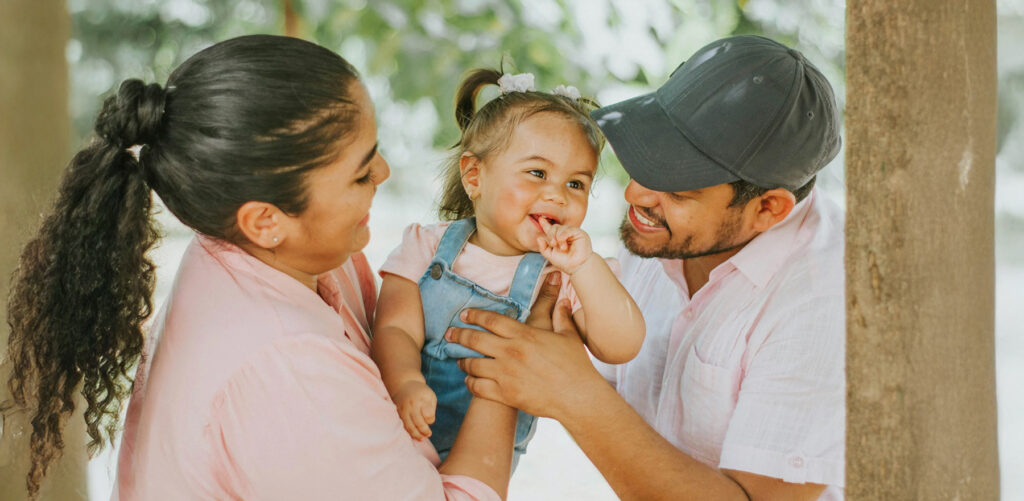
Patricio Ledeill from Pexels
In the human condition, our minds are the problem. Having minds that compare and contrast is a feature in hunting and gathering. It’s a ‘bug’ in happiness. Having minds that are always aware of what we don’t have, of what’s missing, is a feature again in survival. It’s a bug when it comes to happiness.
When we’re happy, we’re very nice, but when we’re unhappy, we’re not. By nature, humans are warlike creatures: self-centered, moody, fickle, opportunistic, and xenophobic. We otherize very quickly and are easily influenced and exploited by groups. We’re both disappointed and disappointing. I usually say, if you’re a human primate, you’re an asshole somewhere and by somebody’s account.
We don’t plan for our devils in marriage. And devils we are, if we’re under enough stress and distress. That’s because we have an ‘always on’ survival instinct that’s constantly sweeping for threats. And love relationships provide that, if nothing else, by accident. So without a plan, without conscious awareness, attention, or the ability to repair ruptures, our instincts can decimate our relationships. Humans tend to overthink many things, but we seriously underthink our relationships.
Like most of the things we create, a relationship doesn’t exist in the physical world. It’s a mental construct that we manifest. But once we create the construct, we think we’re finished (we’re not). A love relationship could be designed by a couple making decisions on critical questions such as,
Do we share power and authority and responsibility?
Is one of us a general and the other a soldier?
Are we a driver and a passenger?
Or are we both drivers?
And then, what’s the priority?
Is it the relationship? Is it our kids? Is it ourselves? Is it our careers? Is it God? What?’
The answers to these questions can be anything they want, since they’re designing the relationship, but most couples don’t design their relationship, discuss these questions, or define their roles.
And despite the amount of time a couple invests in ‘family planning’ and preparing for their baby’s arrival, when their dyad becomes a triad, they don’t have a plan for how the relationship will change. When the couple becomes parents, their roles shift significantly, something that can be prepared for and predicted. When the baby arrives, Dad’s role is to support Mom, who’s supporting the baby. Deliberate design comes in here too. Because if Mom and Dad, the relationship designers, haven’t set up their relationship to accommodate their baby’s needs, they’re going to run into trouble.
Why don’t more people do what’s necessary to prevent predictable trouble? It all comes down to energy conservation, a biological law that tells us to do the least amount necessary. ‘Who has time for this? We might think. I gotta go to work.’ When people don’t design their relationship to accommodate a baby, the load-bearing increases when it arrives, and at some point, the wheels come off because they’re unprepared. They have no structure or agreements. Under stress, they have no ways of protecting each other from each other. In no other world where people are interdependent would this happen. We only see it with couples in relationships.
Energy conservation is worldwide and species-wide. This is why after we automate* each other in love relationships, we drop our formalities and act as if we’re relatives. (We’re not.) We stop courting. ‘Why do it? I got the gig!’ We stop being present and attentive because we’re on to some new novelty. We also stop looking at our partner’s face; instead, we store an image in our mind for weeks and months. We don’t really look at them. All of these things, which we do by nature, direct us to go to sleep, to do the least amount, and to not be present. These natural, instinctive, ever-present forces, which most of us are unaware of, wreak havoc with our relationships.
If we want happy relationships, we need to know about these forces. We must also think ahead and predict what could go wrong (based on what has gone wrong) and what could go wrong (based on what hasn’t gone wrong (yet) but could). My wife, Tracey, and I do this all the time. We’re happy in our relationship, by design. But before we walk into any room, we predict, plan, and prepare. We handle everything together as a team, and that makes us powerful.
Two can do much more than one, but only if they collaborate and cooperate with each other. If they don’t, they’re going to die sooner because of interpersonal stress. So all of this is about… the three-legged race. We have to move together, or we fall down. That is how teams are played. That is how this is played.
Humans plan. We plan our careers, vacations, and investments. We plan family gatherings… so many things. We have the skills to plan our relationships and our teamwork and to start strategizing how to succeed in the three-legged race of relationships. It’s amazing how few couples plan, because it changes everything. This acronym, PPPRRR, reminds us to predict what could go wrong, then plan and prepare for it. And when you slip up, revise or repair.
And if something happens that wasn’t predicted, have a plan for that, too. ‘We’re going to meet in the bathroom.’ Prepare before you walk in. ‘Remember, when we walk in that room, stick by me. If I get cornered by drunk Uncle Bob, you know to come get me.’ We work together, and we’re awesome. I can’t tell you how many times we’ve done this and managed to control the seating arrangement at a Thanksgiving dinner to avoid a person we adore, but not when they’re drunk. And we’ve managed to do it without anyone knowing. How do you repair it? By falling on your sword. “I am really sorry; I shouldn’t have done that. You have every reason to be upset with me. Again, I’m very sorry.” Don’t add, “Let me explain.” Or, “I’m sorry you saw it that way.” Or, “I wouldn’t have done that if you hadn’t done this.” Or, “I think you took it the wrong way.” There’s a discipline to ‘repairing’ without adding anything that diminishes the repair.
*In a love relationship, when we automate each other, we stop being so interested and take each other for granted.”
The Gifts of Trauma is a weekly podcast that features personal stories of trauma, transformation, healing, and the gifts revealed on the path to authenticity. Listen to the interview, and if you like it, please subscribe and share.